Dry
Keep rain, wet snow and wind away from your base layers.

CLOTHING AND PACKING
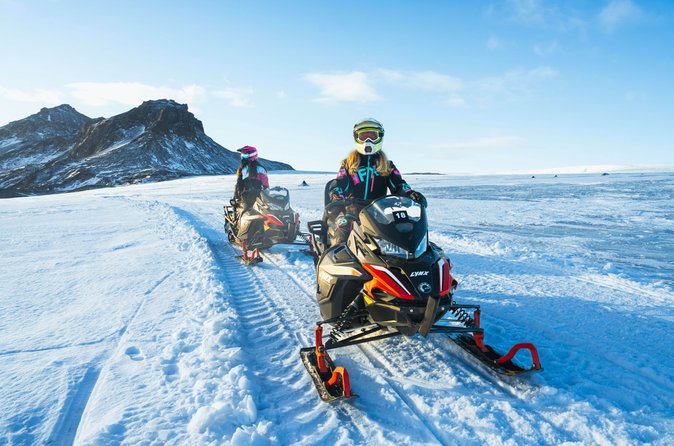
Dress in warm layers with a waterproof shell and sturdy footwear. Protective snowmobile gear is usually provided, but it does not replace your own clothing.
QUICK ANSWER
Wear a moisture-moving base layer, a warm mid layer and a waterproof, windproof outer layer. Add warm socks, sturdy waterproof footwear, gloves, a hat and eye protection.
Tour operators normally provide protective snowmobile overalls or suits, a helmet and other safety gear. The exact list differs by product, and the equipment is worn over your own clothing.
Do not dress only for the temperature shown in Reykjavík. The glacier is higher, exposed and often windier. You may also spend time outside before gear fitting and during sightseeing stops.
Keep rain, wet snow and wind away from your base layers.
Use several adjustable layers instead of one bulky coat.
Choose clothing that lets you sit, steer and move easily.
PACKING TOOL
Choose your season and itinerary for a tailored checklist. The operator voucher remains the final source for supplied gear.
SUMMER SNOWMOBILING
Long daylight does not remove glacier wind. Keep the shell and warm mid layer.
SYSTEM
Each layer has one job. This makes it easier to add warmth outdoors and remove it during transport.
Merino wool or synthetic long sleeves and leggings. The goal is to move moisture away from your skin.
Avoid cotton as the main base.Fleece, wool or a light insulated jacket. Add a second mid layer in winter or if you get cold easily.
Warm without restricting movement.Waterproof and windproof jacket and pants. This protects you before the operator suit is fitted and at roadside stops.
Wind protection matters year-round.FEET AND HANDS
Cold feet and wet gloves can spoil the experience faster than a slightly cool jacket.
Choose waterproof outdoor shoes or boots with room for warm socks. Avoid tight footwear that reduces circulation.
Wear one good wool or technical pair. Two thick pairs can make boots tight and colder.
Bring your own warm gloves even when operator gloves are listed. They are useful before and after snowmobiling.
Use footwear with a stable tread for icy parking areas. Follow local rules before adding removable spikes.
EXTRAS
Small items make a major difference in exposed glacier conditions.
A thin warm hat that fits under or around operator equipment.
A neck warmer or balaclava blocks drafts without loose fabric.
Snow and ice reflect bright light in every season.
Use it on exposed skin, including in cold weather.
Use a secure waterproof pocket and keep batteries warm.
Bring water and a snack when meals are not included.
Wear your own base and mid-layers. Check the specific protective equipment included in your booked option.
Coach transport, guiding and the listed protective snowmobile equipment.
Listing checked 27 August 2026. Confirm boot sizes, gloves and extra layers with the operator.
Protective snowmobile clothing, helmet and the equipment specified in your booking.
Listing checked 27 August 2026. Confirm boot sizes, gloves and extra layers with the operator.
Helmet, protective overalls and the equipment specified in your booking.
Listing checked 27 August 2026. Confirm boot sizes, gloves and extra layers with the operator.
Protective snowmobile equipment as specified in the booked option.
Listing checked 27 August 2026. Confirm boot sizes, gloves and extra layers with the operator.
Helmet, mask and the protective equipment specified for the snowmobile and tunnel experience.
Listing checked 27 August 2026. Confirm boot sizes, gloves and extra layers with the operator.
Snowmobile safety equipment and protective clothing specified in the booked option.
Listing checked 27 August 2026. Confirm boot sizes, gloves and extra layers with the operator.
Snowmobile protective equipment; the supplied listing also includes a towel for the lagoon.
Listing checked 27 August 2026. Confirm boot sizes, gloves and extra layers with the operator.
SEASONS
The core system stays the same. Change the insulation and accessories, not the waterproof and windproof protection.
WINTER
SPRING
SUMMER
AUTUMN
AVOID
These choices commonly create cold, wet or uncomfortable conditions.
It holds moisture and dries slowly.
They offer little water protection or grip.
It is harder to adjust between the bus and glacier.
You need gloves before operator gear is issued.
Use a close-fitting neck warmer around machinery.
Secure loose items before riding.
PACKING LIST
Ready to choose a tour after checking the clothing requirements?
Compare toursFAQ
Answers to the main clothing and equipment questions.
Current operators provide protective snowmobile gear, but exact items differ. Wear your own warm layers and check the voucher.
Yes. Bring a waterproof and windproof jacket and pants for the journey, waiting time and sightseeing stops.
Warm, sturdy, waterproof outdoor shoes or boots. Some tours provide overshoes, but your personal footwear still matters.
Jeans are not a good main layer because cotton becomes cold when wet. Use technical or wool layers with waterproof pants.
Yes. Bring your own pair for the period before gear fitting, road stops and after the ride.
Yes. Snow and ice can reflect bright light even when the air is cold.
Some products include goggles, while others list only a helmet and protective clothing. Check the voucher before packing.
Bring swimwear, a dry change of base layers and a waterproof bag for wet items.
Use the same layer system, check the operator’s available suit sizes and bring spare gloves and socks.
Large loose bags are normally unsuitable for riding. Leave non-essential items in the transfer vehicle if the guide permits and secure valuables.